Photographing Flowers in Natural Light
Flowers are useful subjects for learning photography because they give you time. They do not hurry out of frame, they respond clearly to changing light, and even a single stem offers several possible compositions. You can practice with a phone, a compact camera or a larger camera; the habits matter more than the equipment.
Start with soft light
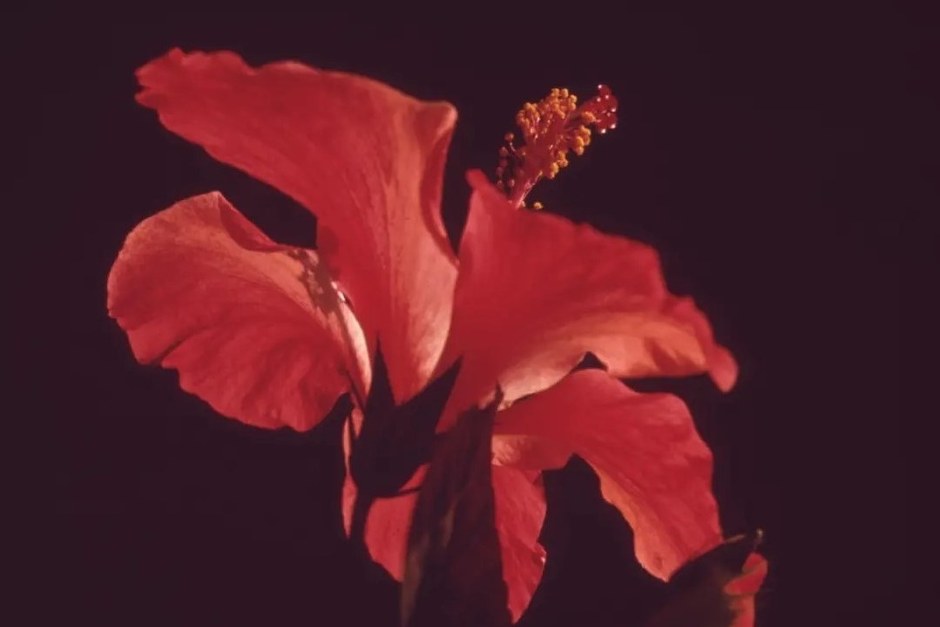
Direct midday sun can produce hard highlights and deep shadows, especially on pale petals. Softer conditions are easier to work with. Try a bright window, open shade beside a building, or an overcast outdoor spot. The colours remain clear, but the transitions between light and shadow become gentler.
If you are indoors, move the flower rather than adding more equipment. A shift of half a metre toward or away from a window can change the entire picture. Turn the stem slowly and watch how the light describes the petal edges.
Change height before changing lenses
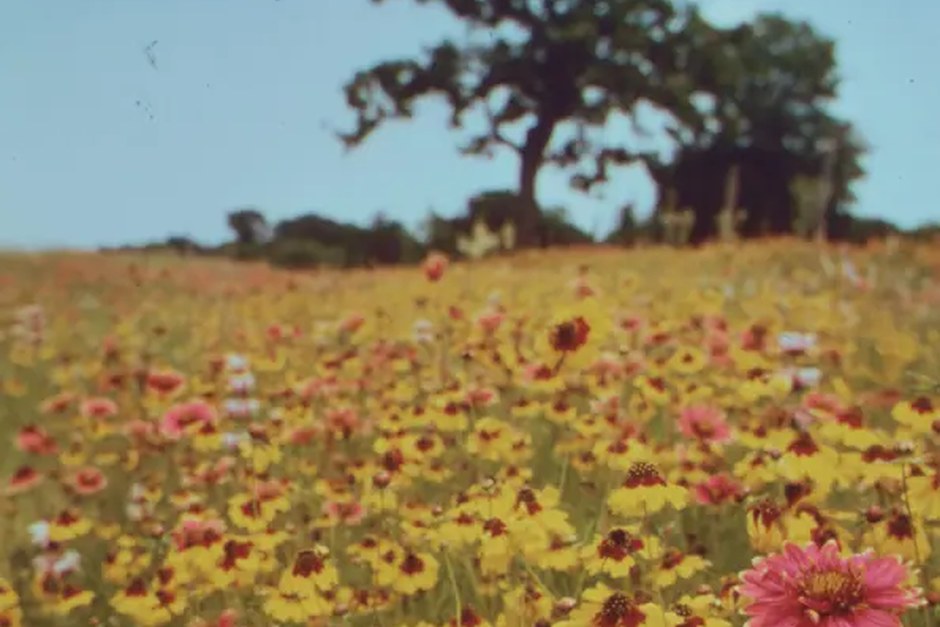
Many flower photographs are made from standing height, looking down. That view is familiar, but it is only one option. Lower the camera until it is level with the bloom, move slightly below it, or photograph across a group of flowers rather than directly at them.
Small changes in height also simplify backgrounds. A distracting table or path can disappear if you move lower, while a dark hedge or plain wall can become a clean backdrop with one step sideways.
Give the frame one clear subject
A garden is visually busy. Choose the flower, cluster or shape that interests you most and build the image around it. You can include surrounding leaves and stems, but they should support the main subject rather than compete with it.
Before taking the picture, scan the edges of the frame. Bright gaps, cut-off petals and unrelated objects often attract more attention in a photograph than they did in person. A tiny adjustment can remove them without changing the subject.
Make a small series
Instead of searching for one perfect image, make three different photographs of the same flower: a wider view that shows context, a closer composition, and a detail of texture or colour. The exercise encourages you to look again after the obvious first frame.
Try repeating the series at another time of day. Morning window light, afternoon shade and a cloudy outdoor scene will each describe the same petals differently. Comparing the results is an easy way to learn what kind of light you prefer.
Keep the edit restrained
Natural flower colours are often strong enough without heavy processing. Start by correcting exposure and crop, then make small adjustments only if they help the photograph resemble the mood you saw. The aim is not to force every image into the same style.
Over time, flower photography becomes a useful visual notebook. The subject may stay simple, but the practice teaches light, background, framing and patience—skills that carry into almost every other kind of photography.