Listening to the Small Seasons: A Beginner’s Guide to Daily Nature Noticing
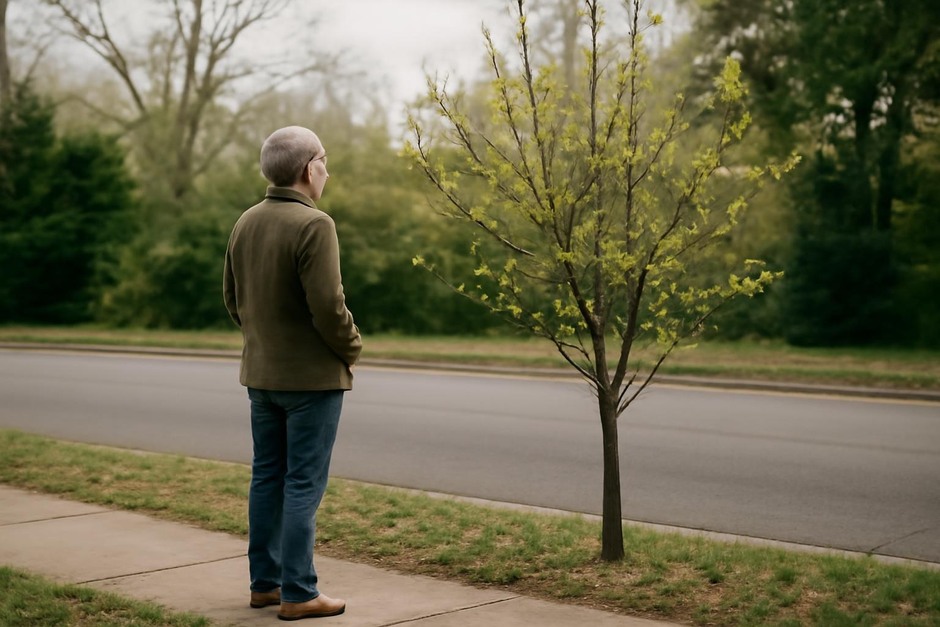
On many mornings the world feels like a constant, unremarkable backdrop: the same tree on the corner, the same bird song repeating. But if you look closely—pause, listen, and let your attention linger—you will often find that the backdrop subtly changes every few days. A leaf unfolds, a different insect visits, a scent shifts in the air. These small changes are what I call the “small seasons”: quiet, local rhythms that ask only for a little attention to reveal themselves.
1. Making Time for Short Observations
Noticing nature doesn’t require long hikes or specialized equipment. It begins with selecting tiny windows in your day where you can slow down: a morning coffee on the stoop, a five-minute break at work, the walk to the bus stop. The key is consistency rather than duration. Five minutes a day, practiced regularly, will reveal more than an occasional long outing because it trains you to see difference over time.
Start by choosing one predictable moment each day and treating it as an experiment. Approach it with curiosity, not performance. Your goal is not to produce a poetic account, but to register one or two simple changes. Over weeks, those small notes will cohere into a sense of the place’s living calendar.
2. Training Your Senses
Attention to nature is largely a matter of habit: where you point your eyes, what you allow into your awareness. Beginners often think they must be quiet or still for long stretches; instead, practice brief, deliberate shifts in focus.
- Sight: Look for edges—where a patch of grass meets pavement, or where a roofline meets sky. Small seasonal changes often announce themselves at boundaries.
- Sound: Close your eyes for 30 seconds and name the sounds you hear. A new insect hum or a different pattern of sparrows can be surprisingly revealing.
- Smell and touch: Walk slowly and notice temperature changes or a new scent after rain. If you pass a tree, pause to feel its bark or leaves.
These sense exercises are brief and repeatable. Over time they make it easier to notice deviations from the baseline of a place.
3. A Simple Five-Minute Routine
This is a short routine you can do daily to start noticing small seasonal shifts. It is intentionally minimal: two to five minutes, no tools required.
- Stand or sit where you usually pass: the front step, a park bench, or the office window. Breathe deeply twice to settle your attention (10–20 seconds).
- Observe for 60 seconds: Look slowly, letting your gaze rest on three things: one plant or tree, one animal or insect (or the absence of one), and one weather or light quality (clouds, wind, warmth).
- Name what’s different: Mentally note one small change from yesterday or last week—”two new leaves,” “different bird call,” “damp path.”
- Record a single line: Write one short sentence in a notebook or notes app: date, place, and the change you noticed. If you can’t write, speak it aloud to yourself.
Repeat this routine at the same time each day if possible. The repetition builds a living record and trains your perception to expect subtle shifts.
4. Keeping a Quiet Record
Keeping notes needn’t be elaborate. A single line per day is enough to begin a pattern. The value lies in comparing entries: over a week you may see a trend, over a month you will perceive a rhythm.
If you prefer, make small sketches instead of writing, or take a single photo from the same spot each day. The point is not to document everything but to maintain a gentle dialogue with place. When you review past entries, you are likely to notice how the accumulation of small observations maps a richer seasonal portrait than any single outing could.
Tips for staying gentle
- If you miss a day, don’t judge the practice—simply resume. The habit is elastic and forgiving.
- Invite others: a shared five-minute pause with a friend or child can make the practice social and more sustained.
- Use the record as curiosity, not as data to be judged. Its value is in attunement, not accuracy.
Conclusion
Paying attention to the small seasons is less about mastery than about companionship with a place. A brief daily routine—two to five minutes of intentional noticing and a single line of record—creates a thread you can follow through months and years. Over time those threads reveal the slow choreography of leaves, birds, light, and weather. The practice asks only curiosity, a little patience, and the willingness to look twice at the otherwise ordinary. In return, the ordinary becomes quietly, steadily interesting.