A Simple Daily Practice for Noticing Your Neighborhood’s Small Changes

Problem
Most of us move through familiar places on autopilot: the same route to the train, the same corner shop, the same row of trees. This ease is useful, but it also dulls our awareness. Small changes—new graffiti, a bud appearing on a branch, a shop window rearranged—go unnoticed until they become obvious. That loss of noticing cuts us off from a quieter kind of knowledge about where we live: seasonal shifts, human rhythms, and small acts of care or neglect that shape everyday life.
The challenge is not lack of interest but lack of a simple, sustainable habit. Grand projects and long field journals are great, but they can feel out of reach. What many beginners need is a short, repeatable routine that fits into ordinary days and helps rebuild attention.
Principles
- Regularity over intensity. Five minutes every day beats one long session once a month. Daily repetition trains attention and reveals patterns.
- Anchor to place and time. Choose a specific spot and a consistent time (morning coffee break, lunch walk, or before bed). Anchoring makes comparison meaningful.
- Use multiple senses. Sight is dominant, but sound, smell, and touch add valuable information about changes in a space.
- Look for differences. Instead of describing everything, note what is new, gone, or altered. Small contrasts are easier to spot and more revealing over time.
- Keep it lightweight. A quick note, a single photo, or a one-line summary is enough. The goal is sustainable observation, not exhaustive documentation.
Examples
These short snapshots show how the practice works in different neighborhood contexts. Each example assumes a five-minute visit and the same simple attention method: notice three things, name one change, and write one short line.
Stooping by the Building Stoop
What to notice: a) the feel of the air on your face; b) what’s on the steps (leaves, flyers, or packages); c) who uses the stoop and how (sitting, calling, passing). Today you see a new potted plant. Change noted: a neighbor has added greenery. One-line record: “New pot on step—green, slightly wilted; looks newly placed.”
The Bus Stop or Corner Bench
What to notice: a) recurring sounds (bus engines, a distant school bell); b) posters or stickers on the shelter; c) the state of the bench. Today the poster lineup has changed. Change noted: a community notice now advertises a free music night. One-line record: “Music flyer replaces political poster—bright colors.”
Café Window or Corner Shopfront
What to notice: a) window display or chalkboard; b) scent coming from inside (bakery, coffee); c) how customers queue. Today the chalkboard message is different. Change noted: menu lists a seasonal pastry. One-line record: “Chalkboard lists pear tart—seasonal addition.”
Practice Checklist (Concise Routine)
- Choose a spot and time you can visit most days (5 minutes works well).
- Stand or sit quietly for 30–60 seconds to settle; breathe and orient your senses.
- Notice exactly three things (use sight, sound, smell, or touch).
- Name one change compared to yesterday or last week (new, missing, moved, louder, quieter, fresher, dirtier).
- Write a single-line note or take one quick photo. Keep it simple—this is about continuity, not completeness.
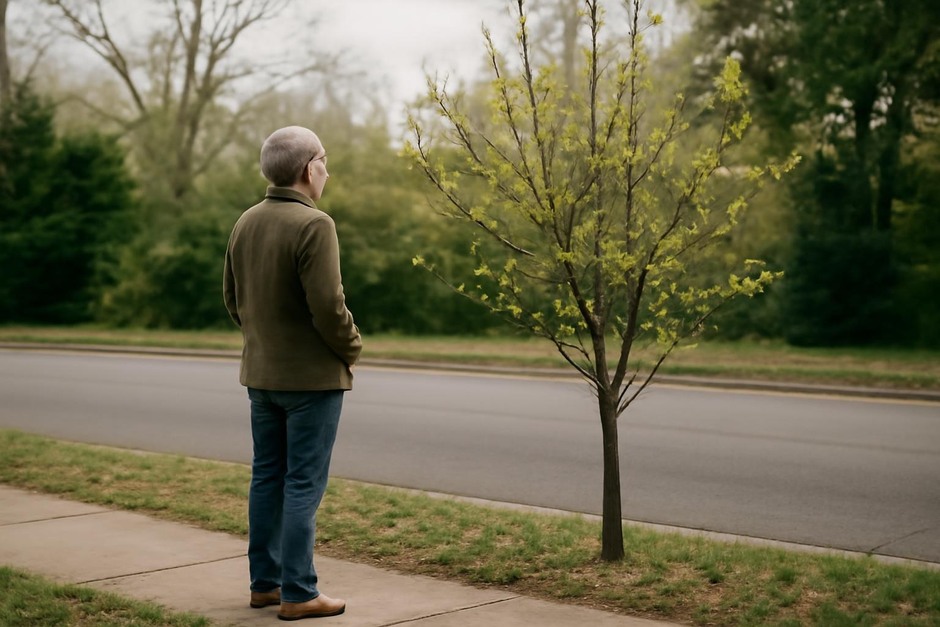
- Optional: once a week, review your notes to see small patterns (a budding tree, a recurring vendor, a shop’s changing hours).
Doing this five minutes a day builds a slow, attentive relationship with a place. Over time you’ll start to notice rhythms—what mornings feel like, which corners get neglected, which gestures repeat—and those small observations deepen how you experience the ordinary world around you.